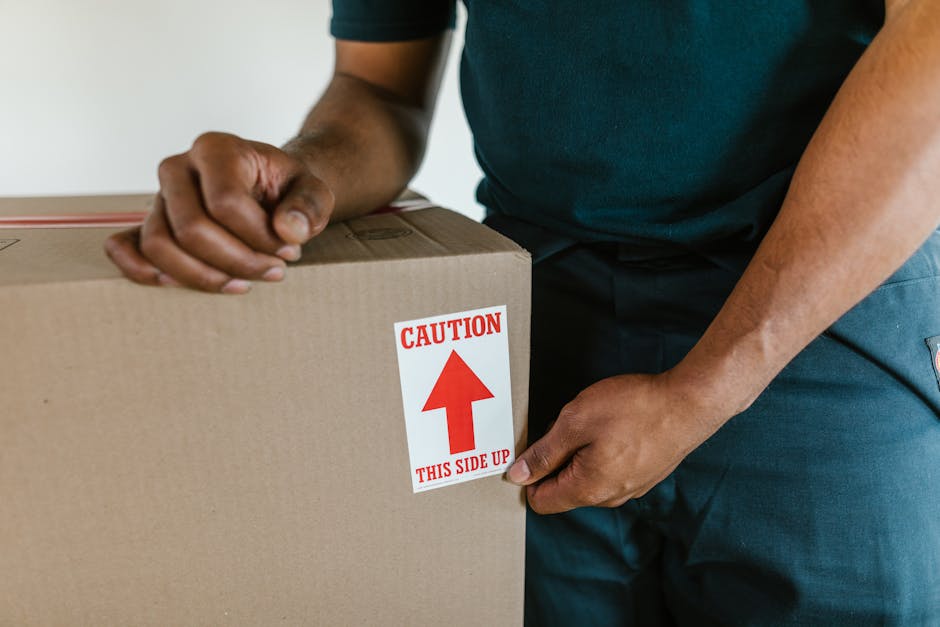
Common removals mistakes to avoid on moving day
Moving day has a way of exposing every tiny decision you made in the weeks before. The box you meant to label. The kettle you packed too early. The parking space you assumed would be fine. Truth be told, most stressful moves are not caused by one big disaster, but by a cluster of common removals mistakes to avoid on moving day that build up fast when the house is busy and the clock is ticking.
This guide walks through the practical errors people make, why they matter, and how to sidestep them without turning the day into a military operation. Whether you are moving across London, heading out to the suburbs, or simply shifting a one-bedroom flat, the same patterns tend to appear. Let's get those out of the way now.
One small note: if you are still comparing move types or need support with packing and transport, it can help to look at broader services like removal services or more tailored help such as packing and unpacking services. Not every move needs the same level of support, and that is fine.
Table of Contents
- Why these mistakes matter on moving day
- How a well-run removals day works
- Key benefits of avoiding the usual errors
- Who this guide is for
- Step-by-step guidance for a smoother move
- Expert tips that save time and stress
- The biggest mistakes to avoid
- Tools, resources and smart recommendations
- Law, compliance, standards and best practice
- Comparison of move methods and planning styles
- Case study: a realistic moving-day scenario
- Practical checklist
- Conclusion
- Frequently asked questions
Why Common removals mistakes to avoid on moving day Matters
Moving day is not the time for improvisation. Once the van arrives, the hallway is full, and someone asks where the keys are, even a small oversight can snowball. A missing bag of essentials becomes a half-hour search. A badly packed box breaks open on the stairs. A forgotten parking restriction means the vehicle ends up down the road and everyone carries heavier items farther than expected. Not ideal.
The reason these removals mistakes matter is simple: they affect three things at once - time, cost, and damage risk. If a move runs late, you may pay for extra labour or lose access to the property on schedule. If packing is poor, items can get crushed, scratched, or lost altogether. If access is not planned properly, the whole day becomes slower and more tiring than it needs to be.
There is also the human side. Moving is draining. By mid-afternoon, people are hungry, tired, and less focused than they were at 8am. That is when mistakes happen. A bit of structure beforehand goes a long way. Especially if you are juggling family members, pets, or a landlord waiting at the other end.
Expert takeaway: the best moving days are usually not the fastest ones, but the best-prepared ones. Calm beats chaotic, every time.
How Common removals mistakes to avoid on moving day Works
A smooth removals day usually follows a straightforward pattern: the property is ready, the route is clear, the right vehicle turns up on time, items are packed in a sensible order, and essentials are kept separate. Simple in theory. Slightly messier in real life, naturally.
Think of the day in stages:
- Pre-move preparation - decluttering, booking, measuring, and confirming access.
- Packing and labelling - protecting items and making boxes easy to identify.
- Loading - placing heavy, fragile, and essential items in the right order.
- Transport - keeping everything secure for the journey.
- Unloading and placement - getting each box and item into the correct room without extra handling.
The mistakes people make usually happen because one stage is rushed and the next stage has to compensate. For example, if the packing stage is sloppy, loading takes longer. If loading is awkward, unloading becomes harder. If the essentials box is buried somewhere in the van, the first evening in the new place can feel oddly chaotic for something so small. You know the feeling - where is the phone charger, where is the tea, and why is the toilet roll in the box marked "misc"?
Good removals planning is really just about reducing friction. Less friction means less stress, fewer delays, and fewer damaged items. That is the whole game.
Key Benefits and Practical Advantages
When you avoid the usual moving-day mistakes, the benefits are concrete rather than theoretical. You are not just "being organised"; you are making the day easier to manage in practical ways.
- Fewer delays: boxes are where they should be, access is confirmed, and the team can work without constant interruptions.
- Lower damage risk: properly packed and labelled items are less likely to be crushed, mixed up, or mishandled.
- Better energy management: moving is physically tiring, and removing avoidable problems keeps everyone going longer.
- Less panic: knowing where essentials are and what happens next makes the whole process feel more under control.
- Smoother handover: if you are leaving a rented property, being ready on time can help avoid awkward last-minute pressure.
- Cleaner unpacking: good organisation on the day makes settling in much easier later that evening and the next morning.
There is also a less obvious advantage: a well-run move tends to cost less in hidden ways. Fewer wasted hours, fewer replacement items, fewer emergency purchases, fewer taxi runs back to the old address. Those little extras add up quicker than people expect.
Who This Is For and When It Makes Sense
This guide is for anyone planning a home move, whether you are in a studio flat, a family house, or a shared property with stairs that seem to multiply by the minute. It is also useful if you are moving a small office, a student room, or helping a parent downsize. The same basic mistakes crop up across all of them.
It makes particular sense if:
- you have never managed a move before and want a realistic overview;
- you are moving in a tight time window and cannot afford delays;
- you have fragile or bulky items that need extra care;
- you are moving in London or another busy urban area with parking and access constraints;
- you are deciding between DIY help and a professional team;
- you want a less stressful first night in the new place.
If you are still weighing up your options, browsing house removals or broader removals information can help you judge what level of support feels right. Sometimes it is not about going all-in with every service. Sometimes it is just about choosing the gaps you want filled.
Step-by-Step Guidance
Here is a practical way to avoid the most common removals mistakes without making the whole process feel over-engineered.
1. Confirm the move details early
Check the date, times, property access, parking arrangements, and any building rules before moving day. If you live in a flat, don't assume the lift will be free or that loading can happen anywhere. Ask. It saves a headache later.
2. Declutter before you pack
The classic mistake is paying to move things you do not actually want. Old cables, duplicate kitchenware, broken chairs, mystery boxes from three houses ago - all of it takes space and energy. A lighter load is easier to manage and often cheaper to move.
3. Pack room by room
Room-by-room packing keeps items grouped logically. It sounds obvious, but in practice people often mix everything together near the end. That is when the new home becomes a jumble of "where did that go?"
4. Label boxes clearly on more than one side
Mark each box with the room name and a short contents note. "Kitchen - mugs and kettle" is better than "misc 4". Write it large enough to read quickly when you are tired.
5. Keep essentials separate
Set aside a bag or box you will need immediately: phone chargers, documents, medication, toiletries, snacks, basic tools, loo roll, kettle items, pet supplies, and a change of clothes. Keep this with you, not in the back of the van if you can help it.
6. Protect awkward or fragile items properly
Use the right packing materials and don't overfill boxes. Heavy items belong in smaller boxes. Fragile items need padding, not just hope. Hope is not a packing material, sadly.
7. Load in a sensible sequence
Heavier and sturdier items usually go in first, with fragile or essential items placed so they will not be crushed. Professional removals teams often do this instinctively, but DIY movers can easily reverse the logic when they are rushing.
8. Do a final sweep before leaving
Check cupboards, loft spaces, under beds, meter cupboards, bathroom cabinets, and outside storage. A surprising number of move-day problems come from leaving behind one small pile of things in an awkward corner.
A good move is usually built in these boring little moments. Not glamorous, but effective.
Expert Tips for Better Results
Here are the habits that tend to separate a smooth move from a frazzled one.
- Use one colour system if possible: a coloured sticker per room speeds up unloading and helps anyone assisting you work faster.
- Photograph cable setups before unplugging: especially for TVs, routers, desks, and speakers. Future-you will be grateful.
- Keep hardware together: put screws, brackets, and shelf fittings in labelled bags taped to the relevant furniture.
- Protect floors and door frames: blankets, cardboard, or runners can prevent scuffs during heavy item movement.
- Plan for weather: rain, mud, and wet pavements are part of a UK move quite often, so have towels and covers ready.
- Have a clear point person: too many people giving directions creates confusion. One calm voice usually wins.
- Build in a little slack: if you think the job will take six hours, do not plan your entire day as if nothing could run long. Because something usually does.
One practical observation from many moving days: people tend to underestimate how much time is lost to tiny interruptions. A missing key, a parked car in the wrong place, a child needing a snack, a box with no label. Tiny. But together they can chew through an afternoon.
Common Mistakes to Avoid
Here is the section most people come for. These are the mistakes that cause the biggest headaches on moving day, and how to avoid them.
Leaving packing too late
This is the big one. Last-minute packing leads to bad labelling, weak box construction, and panic decisions. If you are shoving kitchenware into a box at 11pm the night before, you are probably carrying stress into the next day.
Underestimating the amount of stuff you own
Most people think they have "not much". Then they open a cupboard. Then the airing cupboard. Then the garden shed. Suddenly there is more than expected. Build in margin. Always.
Not checking access and parking
In London especially, access can make or break the day. A vehicle might need to park farther away than planned, or a loading bay might have restrictions. If the removals team has to improvise on arrival, everything takes longer. If you are moving in or around the capital, looking at local options such as London removals coverage can help you think through those access issues more realistically.
Using boxes that are too large or too weak
Big boxes are tempting because they feel efficient, but they become awkward once heavy. A box packed with books can turn into a back-strainer very quickly. Keep heavy items low and manageable.
Not labelling fragile items clearly
If someone cannot tell a box contains glass, ceramics, or electronics, they may stack it as if it were towels. That is how accidents happen.
Forgetting an essentials kit
People often pack every spoon and forget the things they need for the first night. It is such a common slip that it almost becomes a moving-day ritual. Not a good one.
Ignoring furniture disassembly needs
Large wardrobes, beds, and shelving units may need to come apart before they leave the property. If you wait until the van is outside to discover a bed frame will not fit through the stairwell, that is an unpleasant moment.
Not protecting the new property
Floors, bannisters, and door frames at the new address should be treated with care too. Especially in older UK properties, a narrow hallway can make even a simple move feel like a puzzle box.
Assuming everyone knows the plan
They won't. Even people who mean well need clear instructions. Say where boxes should go, which items are priority, and what not to move yet.
Trying to do too much alone
There is no prize for struggling in silence. If a lift is awkward, a wardrobe is heavy, or the day is simply bigger than expected, use the help available. That may be friends, family, or a professional team such as a man and van service or a more complete house removalists option.
Forgetting utilities, keys, or documents
The move may be physically finished, but if the key handover, utility arrangements, or paperwork are missing, the day can still unravel. Keep the critical items with you from start to finish.
Tools, Resources and Recommendations
You do not need a warehouse of gear, but a few sensible tools can make the whole process much easier.
- Strong boxes in mixed sizes: smaller for books and heavy items, larger for lighter soft goods.
- Packing tape and a proper dispenser: a tiny thing, but a real timesaver when you are sealing box after box.
- Marker pens and labels: use bold writing and repeat key details on at least two sides.
- Bubble wrap, paper, or blankets: for glassware, pictures, mirrors, and delicate finishes.
- Trolley or sack truck: helpful for heavier boxes, though stairs still demand caution.
- Protective covers: for mattresses, sofas, and fabric items if the route may be dusty or damp.
- Toolkit: screwdrivers, Allen keys, tape measure, and a few spare bags for loose fixings.
For people deciding between different types of help, it can also be useful to compare vehicle and service styles. For example, a smaller move may suit man with van support, while a bigger household relocation may need a more complete moving truck setup. There is no single best option. Just the best fit for the job.
If budget matters, take a look at pricing and quotes before you decide. Clear expectations are calming. Same with insurance and safety information - not exciting reading, but useful when you want peace of mind.
Law, Compliance, Standards, or Best Practice
Moving house does not usually require you to become a legal expert, but there are still a few practical compliance points worth keeping in mind. If you are moving in a managed building, leasehold property, or restricted street, there may be access rules, parking conditions, lift booking procedures, or quiet-hour expectations that need to be respected. Those are often set by landlords, managing agents, councils, or building operators, so it is wise to confirm them early rather than guess.
For a removals company, good practice typically includes care with lifting, sensible handling of goods, clear communication, and appropriate protection for both people and property. If you are hiring help, ask how items are protected in transit, how fragile goods are handled, and what happens if something cannot fit through a doorway or stairwell. These are ordinary questions, not awkward ones.
Insurance is another area where caution matters. It is sensible to understand what cover exists, what is excluded, and whether you need to declare particularly valuable or fragile items in advance. Small print is dull, yes, but moving day has a way of making small print feel suddenly important.
There is also a basic safety standard to observe on your side. Don't overload boxes, don't lift in a way that strains your back, and do not block exits with stacked items. If a route looks unsafe, pause and reset it. No box is worth a twisted ankle. Really, it isn't.
Options, Methods, or Comparison Table
Different moves call for different levels of support. Here is a simple comparison to help you judge what tends to work best.
| Approach | Best for | Pros | Watch-outs |
|---|---|---|---|
| DIY move | Very small moves, short distances, flexible timing | Lower direct cost, full control | More physical effort, more risk of delays and damage |
| Man and van | Single-flat moves, partial loads, lighter furniture | Good flexibility, often practical for urban moves | May need extra help for bulky items or multiple loads |
| Full removals team | Family homes, larger loads, tight schedules | More support, faster loading and unloading, less stress | Higher cost than DIY, needs early booking |
| Pack-and-move service | Busy households, fragile items, time-poor movers | Reduced packing burden, more consistent organisation | Less hands-on control, usually a higher overall price |
For many people, the sweet spot is somewhere between DIY and full-service support. If you only need the transport piece, a movers option may be enough. If you need more hands and a larger vehicle, a removal van or removal truck hire arrangement can be the more sensible route.
Case Study or Real-World Example
Picture a typical Saturday move in south west London. A couple is leaving a two-bedroom flat. The boxes are mostly packed, but not all labelled. One wardrobe still needs disassembly. Parking outside the building is limited. The kettle, chargers, and bedding are already somewhere in the pile, probably in the kitchen box. You can see where this is going.
The day starts well enough, but by 10:30am the team realises the loading bay is occupied. Ten minutes become twenty. Then the wardrobe needs more dismantling than expected, and the screws are in a bag that is not labelled. The couple is not in trouble, exactly. But they are losing pace.
Now imagine the same move done with a better plan. Parking is confirmed ahead of time. The wardrobe has already been partly disassembled. Essentials are packed separately. Every box is labelled by room. The team can load in a clean sequence, and when they arrive at the new property, the priority items go straight into the right rooms. Same move, very different feeling.
That is the practical difference between good planning and move-day improvisation. No magic. Just fewer avoidable snags.
Practical Checklist
Use this as your last walkthrough before the van arrives.
- Confirm moving date, arrival time, and contact details.
- Check parking, lift access, stairs, and any building restrictions.
- Pack an essentials bag for the first 24 hours.
- Label every box clearly by room and contents.
- Keep heavy items in smaller boxes.
- Wrap fragile items properly.
- Disassemble furniture that will not fit safely through doors or stairs.
- Move valuables and important documents yourself.
- Protect floors, corners, and door frames if needed.
- Do a final room-by-room sweep before leaving.
- Photograph utility meter readings if appropriate.
- Keep phone chargers and keys where you can reach them quickly.
If you want to reduce waste while moving, there is also value in thinking ahead about reuse and disposal. A useful starting point is recycling and sustainability, especially if you are clearing out old furniture or packing materials you do not want to keep.
Conclusion
A successful move is rarely about doing everything perfectly. It is about avoiding the predictable traps that slow people down, damage belongings, or create unnecessary stress. The most common removals mistakes to avoid on moving day are usually simple ones: late packing, poor labelling, bad access planning, weak boxes, and forgetting the essentials.
Handle those well and the rest of the day becomes much easier. You still may have a long haul, a few awkward corners, or a moment where someone asks, "Have you seen the kettle?" But the move itself will feel manageable, not chaotic. And honestly, that is a very good place to be.
Get a free quote today and see how much you can save.
Whatever stage you are at, take a breath, make the next sensible decision, and keep going. Moving day can be busy, but it does not have to be brutal.
Frequently Asked Questions
What are the most common removals mistakes on moving day?
The biggest mistakes are packing too late, failing to label boxes, underestimating how much stuff you have, not checking access or parking, and forgetting a first-night essentials bag. Those five account for a lot of avoidable stress.
How early should I start preparing for moving day?
As early as you reasonably can. Even a small move benefits from a few weeks of planning, especially if you need packing materials, time off work, or building access arranged. Last-minute moves can work, but they are usually noisier and more tiring.
What should go in an essentials box?
Keep toiletries, chargers, medication, toilet roll, snacks, basic tools, tea or coffee supplies, a change of clothes, and important documents together. Think "first evening survival kit", not "random stuff I might need later".
Is it better to use a removal company or do it myself?
It depends on the size of the move, your budget, and how much lifting you want to do. DIY can work for smaller loads, but a professional team usually reduces risk and stress for larger or more complicated moves.
How do I avoid damaging furniture during a move?
Disassemble large items where practical, protect corners and surfaces, use proper covers, and make sure heavy items are loaded in a stable order. Good handling matters more than fancy gear, to be fair.
What if my new property has tricky access?
Confirm stair width, lift use, parking, and any loading restrictions before the move. If access is awkward, tell your removals provider early so they can plan the right vehicle and team size.
Should I label boxes with room names or contents?
Both, if possible. Room names help unloading, while contents notes help you find important items later. "Bedroom - bedding and lamp" is much better than "box 7".
What is the biggest mistake people make with packing boxes?
Overfilling large boxes with heavy items. That makes them difficult to carry and more likely to split. Use smaller boxes for books, plates, and other dense items.
How can I make moving day less stressful?
Prepare early, keep essentials separate, confirm access details, and avoid trying to do everything at the last minute. A short checklist and a sensible timeline do more than people expect.
Do I need insurance for a house move?
It is wise to understand what cover is in place, whether through your removals provider or your own policy. Check what is covered, what is excluded, and whether valuable items need special mention.
Can I move fragile items myself?
Yes, if they are packed properly and handled carefully, but very delicate or high-value items may be better moved with extra support. The real question is not "can I?", but "is it worth the risk?".
What should I do the night before moving day?
Charge devices, prepare your essentials bag, set aside key documents, finish final disassembly where needed, and get a decent sleep if you can. Not glamorous advice, but surprisingly effective.
Are professional packers worth it?
They can be, especially if you are short on time, moving a larger household, or worried about breakables. If you are comparing options, a combined packing and moving service may be worth considering.
What if I realise something important was left behind?
Stay calm and check the old property safely if possible. If the item is not urgent, it may be easier to collect it later. The trick is not to let one forgotten thing derail the whole day.
How do I choose the right removals help for my move?
Match the service to the size and complexity of the job. Smaller loads may suit a van-based service, while larger homes usually benefit from a fuller removals team and more structured support.